Rubber Bearing Pad for Bridge Construction
Dhaka Rubber International is Bangladesh's premier manufacturer of high-performance elastomeric and neoprene bridge bearing pads, engineered for vital infrastructure, highway flyovers, and rail bridges since 2000.
Accredited Testing & Standards
- BUET Testing: Bangladesh University of Engineering & Technology accredited lab reports
- BS 5400 Part 9: Bridge Bearings Specification
- AASHTO M251: Elastomeric Bridge Bearings
- EN 1337-3: Structural Bearings - Elastomeric
What Is a Rubber Bearing Pad?
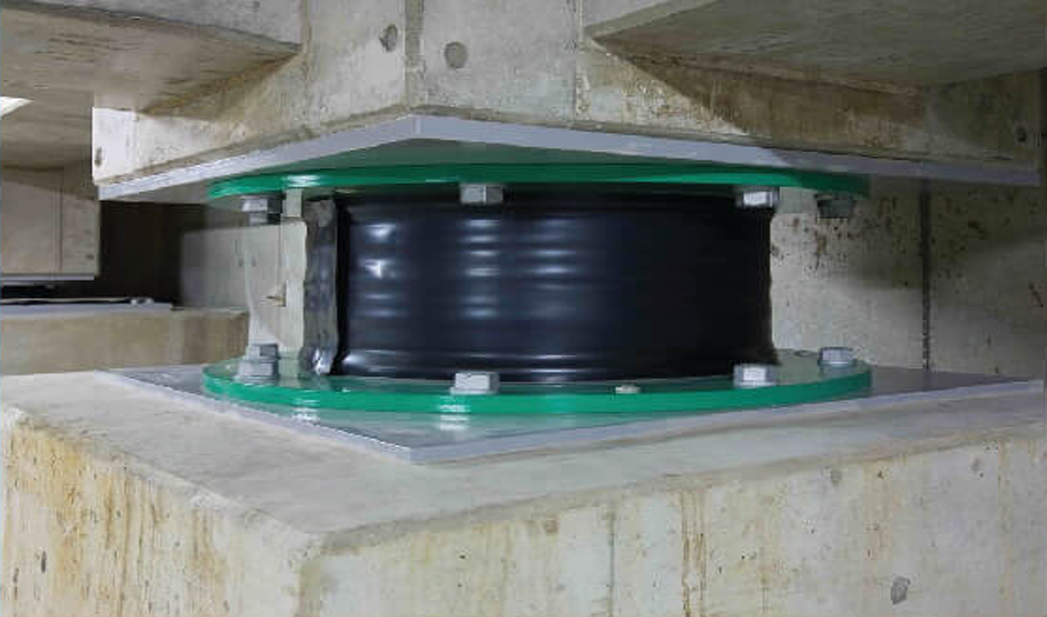
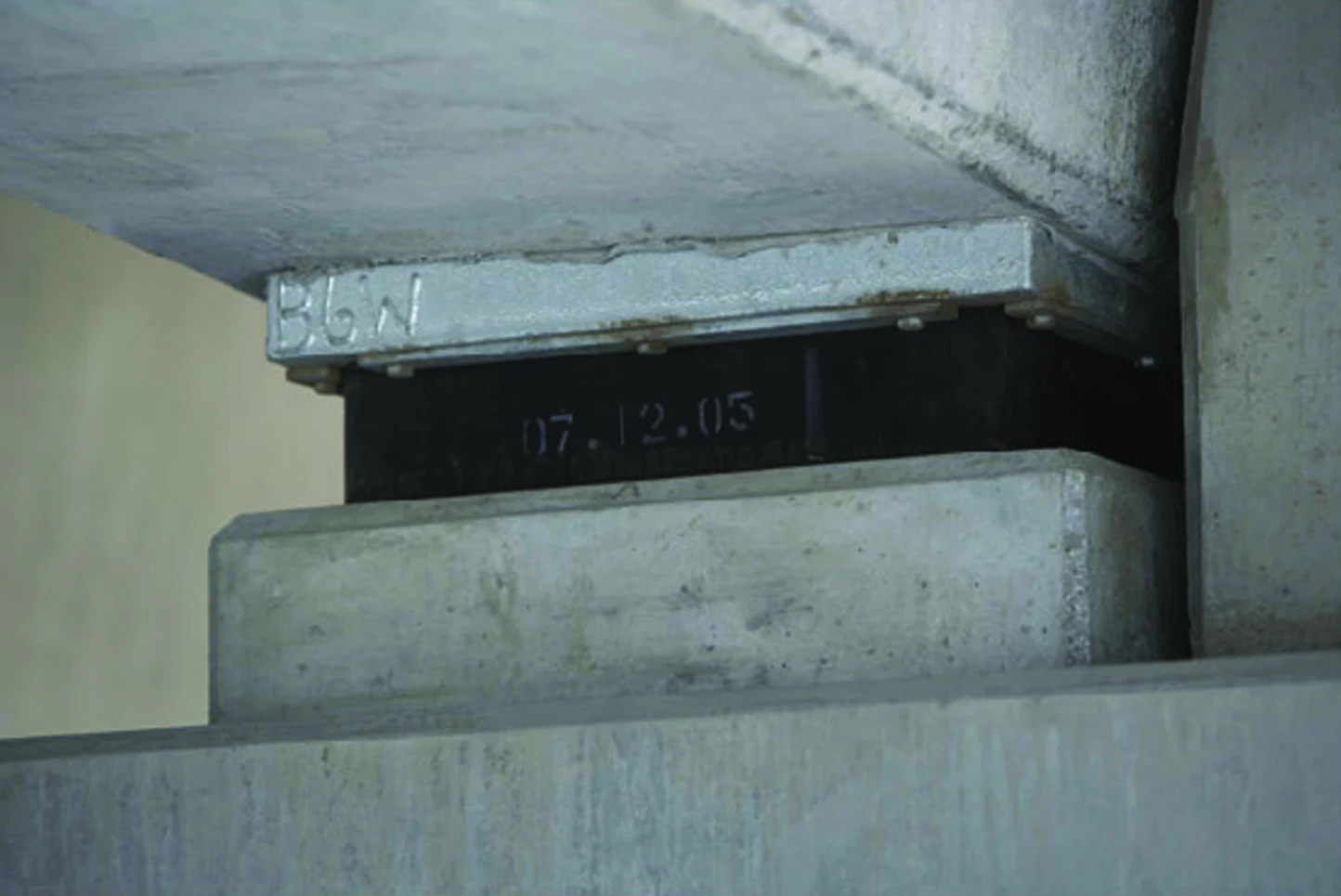
A rubber bearing pad (commonly referred to as an elastomeric bridge bearing pad) is an essential structural element installed between bridge superstructure girders and substructure piers or abutments. Its primary function is to transmit immense vertical dead and live loads safely into the foundation while accommodating multi-directional thermal expansion, shrinkage, traffic braking forces, and rotational movements.
Without flexible bearing pads, rigid contact between concrete girders and concrete piers would generate massive concentrated stresses, causing spalling, crushing, and premature bridge degradation. Rubber bearing pads provide a maintenance-free, ductile interface that dampens vibrations and protects bridge decks throughout their design lifespan.
Direct Engineering Hotline
Speak directly with our technical engineers for bearing pad design calculations, BUET testing documentation, and project tenders.
Types of Bridge Bearing Pads
Dhaka Rubber International manufactures multiple configurations of structural bearing pads suited to specific span lengths, loads, and seismic conditions:
1. Steel Laminated Pads
Multi-layered elastomer reinforced with internal mild steel shims for highway flyovers and bridges.
2. Plain Elastomeric Pads
Unreinforced solid rubber pads for short span culverts, pedestrian overpasses, and foundations.
3. PTFE Sliding Bearings
Laminated pad bonded with PTFE sliding against polished stainless steel for large displacements.
4. Confined Pot Bearings
Elastomeric disc confined inside a forged structural steel pot for mega loads up to 50,000 kN.
Materials and Monolithic Construction
The internal integrity of a rubber bearing pad depends on seamless bonding between elastomer layers and structural steel plates. At Dhaka Rubber International:
- Internal Steel Plates: High-tensile mild steel plates (typically 2mm to 5mm thick) are grit-blasted and coated with specialized bonding adhesives.
- Monolithic Vulcanization: The elastomer layers and steel shims are assembled in precision steel molds and vulcanized under hundreds of tons of hydraulic pressure and high heat, creating a single homogeneous block with zero risk of delamination.
- Protective Outer Cover: A minimum 3mm to 6mm elastomeric side cover completely encapsulates the internal steel plates, safeguarding them against corrosion and moisture ingress.
Available Sizes & Technical Specifications
Bearing pads are fabricated custom to engineer drawings. Below are standard physical and mechanical properties tested according to AASHTO M251 / BS 5400 / EN 1337-3:
| Engineering Property | Test Standard | Specified Value |
|---|---|---|
| Elastomer Base | AASHTO / BS 5400 | 100% Virgin Neoprene (CR) or Natural Rubber (NR) |
| Tensile Strength | ASTM D412 / ISO 37 | ≥ 15.5 - 17.0 MPa (BUET Lab verified) |
| Elongation at Break | ASTM D412 | ≥ 400% |
| Hardness (Shore A) | ASTM D2240 | 60 ± 5 IRHD |
| Shear Modulus (G) | EN 1337-3 / ISO 1827 | 0.9 ± 0.15 MPa |
| Compression Set (22h, 70°C) | ASTM D395 Method B | ≤ 25% - 30% |
| Steel Shims | BS EN 10025 | S275 / S355 Structural Steel (2mm - 5mm) |
| Dimensions | Custom / Design | 150x200mm up to 900x900mm (Heights: 20-200mm+) |
Manufacturing & Quality Assurance
Dhaka Rubber International maintains rigorous in-house quality control and third-party laboratory verification:
Regular batch testing at Bangladesh University of Engineering and Technology (BUET) for compressive load, shear modulus, and tensile elongation.
High-capacity hydraulic compression presses verifying vertical load capacity and absence of surface defects prior to dispatch.
Neoprene & Elastomeric Performance
Elastomeric bearings are formulated using either Polychloroprene (Neoprene) or high-purity Natural Rubber (NR). While natural rubber provides excellent elasticity and low-temperature flexibility, Neoprene bridge bearing pads deliver unmatched resistance to atmospheric ozone degradation, ultraviolet radiation, moisture exposure, grease, and industrial vehicle emissions.
In Bangladesh's tropical monsoon climate, our neoprene bearing compound offers exceptional anti-aging stability, preventing cracking and preserving elasticity over decades of continuous service.
Load Capacity & Engineering Requirements
Rubber bearing pads are engineered to satisfy three simultaneous operational requirements:
- Vertical Compressive Resistance: Internal steel plates restrain lateral rubber bulging, enabling the pad to sustain compressive stresses reaching 10 to 15 MPa under service limit states without excessive compression strain.
- Horizontal Shear Movement: The elastomer absorbs horizontal displacements caused by deck thermal variation and vehicular acceleration through controlled elastic shear deformation up to 50% of the total rubber thickness.
- Rotational Accommodation: Non-uniform compression across the pad profile allows beam rotation under vehicular loading without causing edge lift-off or point contact stresses.
Applications in Bridges and Infrastructure
Our rubber bearing pads are trusted by major contractors, government departments (RHD, Bangladesh Railway, LGED, BIWTA), and structural engineering consultants for:
Frequently Asked Questions
What is a rubber bearing pad and how does it work? ↓
A rubber bearing pad (elastomeric bridge bearing) is a flexible device installed between bridge girders and supporting piers. It transfers vertical loads safely to the foundation while accommodating thermal horizontal movement and rotational deflections.
What materials are used in bridge rubber bearing pads? ↓
We manufacture bearing pads using high-grade virgin polychloroprene (Neoprene) or natural rubber vulcanized with internal mild steel reinforcing shims into a unified monolithic unit.
What standards do Dhaka Rubber bearing pads comply with? ↓
Our products comply with British Standard BS 5400 Part 9, AASHTO M251 / LRFD specifications, and European EN 1337-3 structural bearing standards, supported by BUET laboratory accreditation.
Are your rubber bearing pads tested by BUET? ↓
Yes. Dhaka Rubber International has a 25+ year renowned reputation with regular mechanical and compressive testing conducted at Bangladesh University of Engineering and Technology (BUET).
Can you manufacture custom sizes and load capacities? ↓
Yes. We fabricate custom plain and steel-laminated elastomeric bearing pads tailored precisely to consultant engineer schedules, dimensions, and vertical load capacities.
Request a Rubber Bearing Pad Quotation
Provide your required bearing pad dimensions, quantity, or project location. Our engineering department will contact you promptly.